
Dr. Piyush Jain
Dr. Piyush Jain provides pediatric clinical guidance for developmental and neurodevelopmental concerns where appropriate.
Short answer: It is common for grandparents or other family members to feel that a child will simply "catch up with time," especially if they did not grow up with the same awareness of learning assessments. This disagreement is usually rooted in concern, not resistance for its own sake. Framing an assessment as information that helps a child, rather than as a label, often eases the conversation, and parents are not required to wait for full family agreement before getting their child the support they feel is needed.
Share a few details and the Genesis Neurogen team will contact you to confirm availability.
Many grandparents grew up in a generation where learning differences were rarely identified or discussed openly, and where "catching up eventually" was often the only framework available. Their hesitation about an assessment usually comes from genuine affection and a wish to protect the child from being labelled, not from dismissing the parents' concern outright. Recognising this can make the conversation feel less like a conflict and more like a difference in information.
Some families find it helps to frame an assessment plainly: it is simply a way to understand how a child learns best, not a verdict on their intelligence or future. Sharing specific, concrete examples - a report card comment, a teacher's observation, a particular struggle at homework time - can be more persuasive than describing a general worry, since it moves the conversation from opinion to observation.
Parents are the ones responsible for their child's day-to-day support, and it is reasonable to proceed with getting a concern assessed even if not every family member is fully convinced yet. Introducing extended family to the special education in Delhi process once it is already underway - what it actually involves week to week - can sometimes reduce resistance more effectively than discussing it only in the abstract beforehand.
Disagreements within a family about a child's learning needs are common and rarely resolve instantly. Keeping the focus on what will actually help the child, rather than on winning the disagreement, tends to work better for everyone involved, including the relationship with extended family over time.
Book a learning needs consultation for your child with our special education team. Call 7481909090 or message us on WhatsApp to get started.
No. As a child's parents, you can proceed with getting a learning concern assessed even if other family members are not yet fully convinced it is necessary.
Framing it as a way to understand how a child learns best, using specific examples like a report card comment or a particular homework struggle, often lands better than a general description of worry.
Yes, this is a common generational difference, usually rooted in a lack of exposure to learning assessments growing up rather than a dismissal of the child's needs.
This varies by family, but many find that once an assessment leads to clear, practical support rather than a vague worry, the family's understanding becomes more constructive over time.
Useful context about the Genesis Neurogen doctors, so you can understand the wider clinical practice while reading this article.
Dr. Piyush Jain provides pediatric clinical guidance for developmental and neurodevelopmental concerns where appropriate.
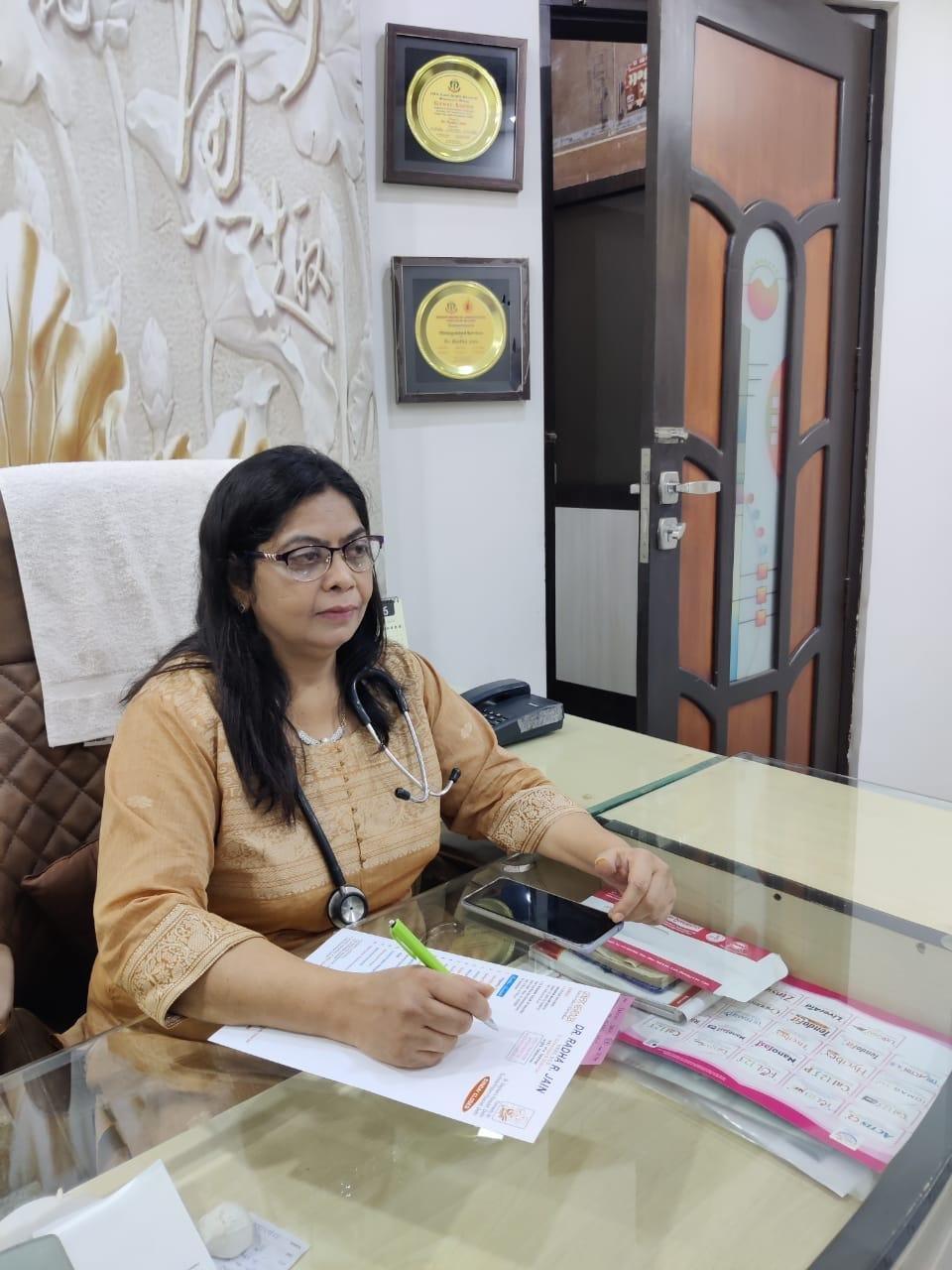
Dr. Radha Jain is the Senior Consultant Gynecologist & Obstetrician within the wider Genesis Neurogen clinical practice. Her women’s-health services are detailed on the main Genesis Neurogen Delhi website.
Use the map below to open the supplied location in Google Maps and get directions.