

Dr. Piyush Jain
Dr. Piyush Jain provides pediatric clinical guidance for developmental and neurodevelopmental concerns where appropriate.
Short answer: Some children do not just want a routine to stay the same - they want the exact words used in that routine to stay the same every time, and get genuinely distressed if a parent phrases a bedtime story, instruction or greeting even slightly differently. This insistence on exact wording, not just the activity itself, can be an early autism-related sign worth discussing with a professional if it is frequent and intense.
Share a few details and the Genesis Neurogen team will contact you to confirm availability.
Many young children like predictable routines, but some go a step further and need the language inside the routine to stay identical as well - the same bedtime story read in the exact same words, the same morning greeting said in the exact same order, or the same instruction given with the exact same phrasing every time. When a parent paraphrases, adds a word, or says it slightly out of order, the child can become distressed well beyond what the small change would seem to warrant. This is different from simply disliking a change in activity; it is specifically about the language used being different from what was expected.
A parent might notice their child correcting them mid-sentence, insisting a story be re-read exactly as before if a word was changed, or becoming upset when a different family member gives an instruction in different words than the usual caregiver. We have heard versions of this from families in Rishabh Vihar and Karkardooma - a child who seems otherwise easy-going but reacts strongly and specifically to spoken language being inconsistent, even when the underlying activity or routine has not changed at all.
Occasional preference for a familiar phrasing is common in young children and is not on its own a cause for concern. It is worth discussing with a professional if this insistence is frequent, intense, affects daily life at home or school, or appears alongside other early signs such as reduced eye contact or limited response to their name. Parents comparing where to get a developmental opinion in East Delhi often ask what an autism therapy centre in East Delhi actually looks for in a first visit, which our guide on choosing a centre explains in more detail.
Book a developmental screening for your child with our autism therapy team. Call 7481909090 or message us on WhatsApp to get started.
Yes, that alone is very common. The pattern worth noticing is distress specifically over the exact wording changing, not just wanting a familiar story or routine.
Liking routine is about the activity staying the same. This specific pattern is about the spoken language inside the routine staying identical, even when the activity itself has not changed.
No. Occasional correcting is common in many children. It becomes more worth noting when it is frequent, intense, and causes real distress rather than mild preference.
If it is frequent and comes with other early developmental signs, a developmental paediatric opinion can help clarify what is going on and what support, if any, would help.
Useful context about the Genesis Neurogen doctors, so you can understand the wider clinical practice while reading this article.
Dr. Piyush Jain provides pediatric clinical guidance for developmental and neurodevelopmental concerns where appropriate.
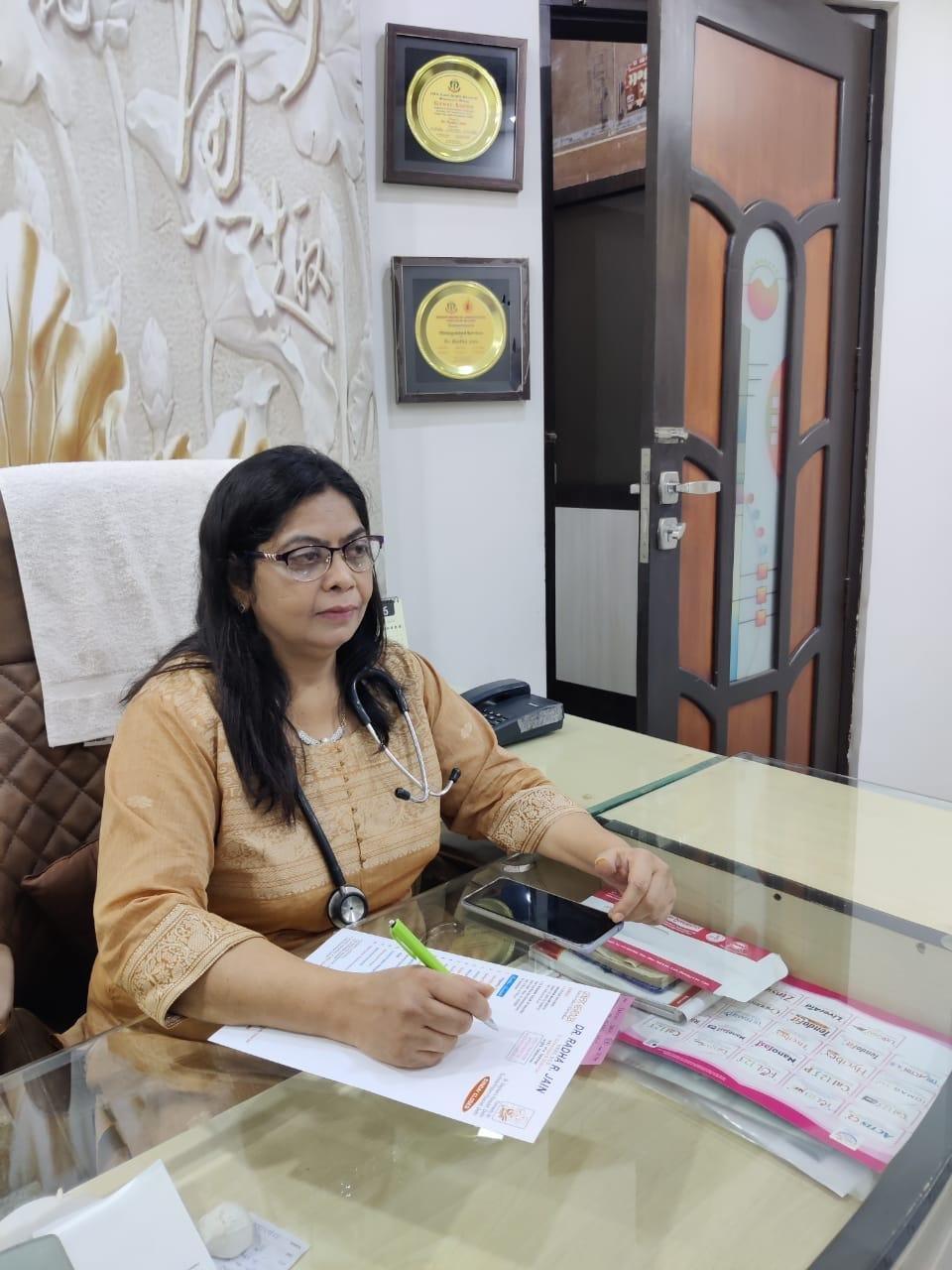
Dr. Radha Jain is the Senior Consultant Gynecologist & Obstetrician within the wider Genesis Neurogen clinical practice. Her women’s-health services are detailed on the main Genesis Neurogen Delhi website.
Use the map below to open the supplied location in Google Maps and get directions.