
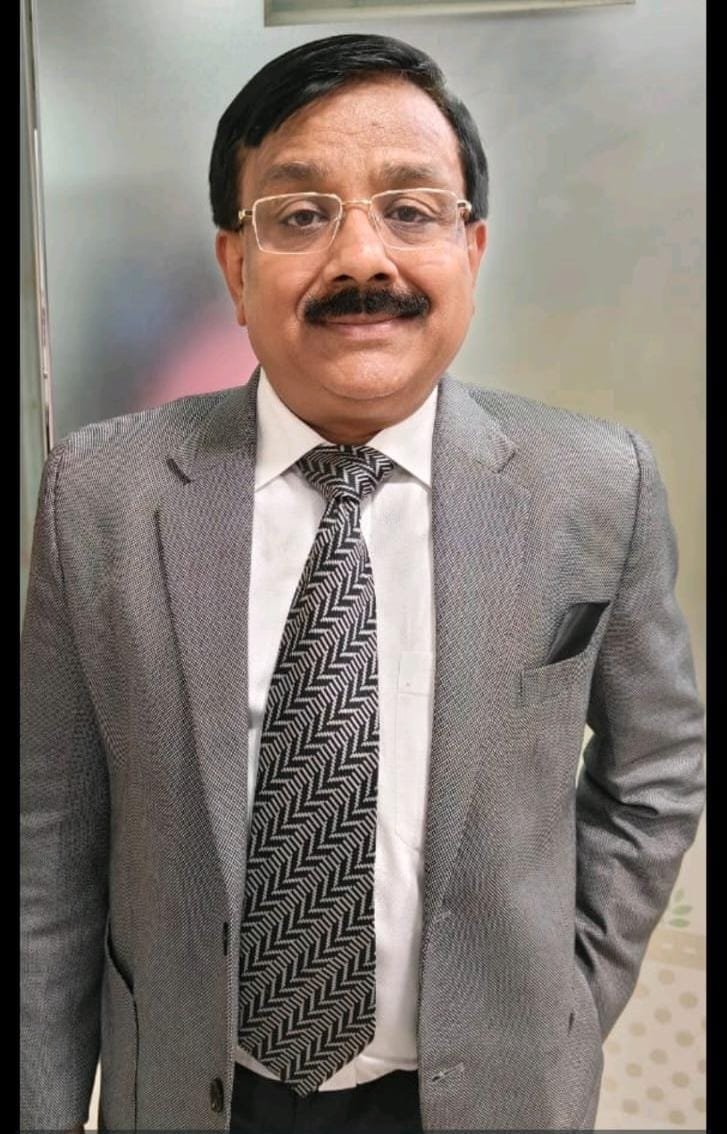
Dr. Piyush Jain
Dr. Piyush Jain provides pediatric clinical guidance for developmental and neurodevelopmental concerns where appropriate.
Short answer: Basic cycling balance and looking back over the shoulder while still pedalling and steering are two different skill levels - the second needs the brain to hold balance steady while attention is briefly split between the road ahead and what is behind. A child who cycles confidently in a straight line but wobbles badly or has to stop completely to look back may simply need more practice, or may be showing a dual-task coordination gap worth a closer look if it persists.
Share a few details and the Genesis Neurogen team will contact you to confirm availability.
Riding a bicycle in a straight line asks the body to maintain balance almost automatically once the skill is learned, leaving the mind free to focus on steering and pedalling. Turning the head to look back over the shoulder adds a genuine dual-task demand: balance has to be maintained almost on autopilot while vision and attention shift briefly away from the direction of travel. This is a meaningfully more advanced skill than basic forward cycling, and some children take noticeably longer to build it.
This often shows up when teaching a child to check behind them before turning or changing direction, as most cycling safety guidance expects. A child might ride smoothly and confidently in a straight line, but wobble sharply, veer off course, or stop pedalling entirely the moment they try to glance backward. We hear this from families across Rishabh Vihar and Karkardooma teaching children to cycle more independently - a pattern that can look like a safety habit issue at first, but is sometimes more about the underlying coordination demand.
Practising the head-turn separately while stationary, or at a slow walking pace while holding the bicycle, before combining it with faster riding, can help many children build this skill gradually. It is worth a professional opinion if the difficulty is persistent despite practice, affects other dual-task movement activities as well, or comes together with other gross motor coordination signs noticed elsewhere.
Book a gross motor coordination assessment for your child with our motor skills team. Call 7481909090 or message us on WhatsApp to get started.
Often, yes - looking back while cycling is a genuinely more advanced skill than straight-line riding, and many children simply need more guided practice to combine the two.
Start with the head-turn motion while the bicycle is stationary or moving very slowly, so the child builds the movement pattern before adding speed and balance demands together.
Not immediately. If there is gradual improvement with practice, that is a good sign. It is more worth a closer look if there is no improvement at all over a reasonable practice period.
It typically looks at how a child manages balance alongside another task at the same time, not just balance on its own, to understand whether this specific dual-task skill needs targeted support.
Useful context about the Genesis Neurogen doctors, so you can understand the wider clinical practice while reading this article.
Dr. Piyush Jain provides pediatric clinical guidance for developmental and neurodevelopmental concerns where appropriate.
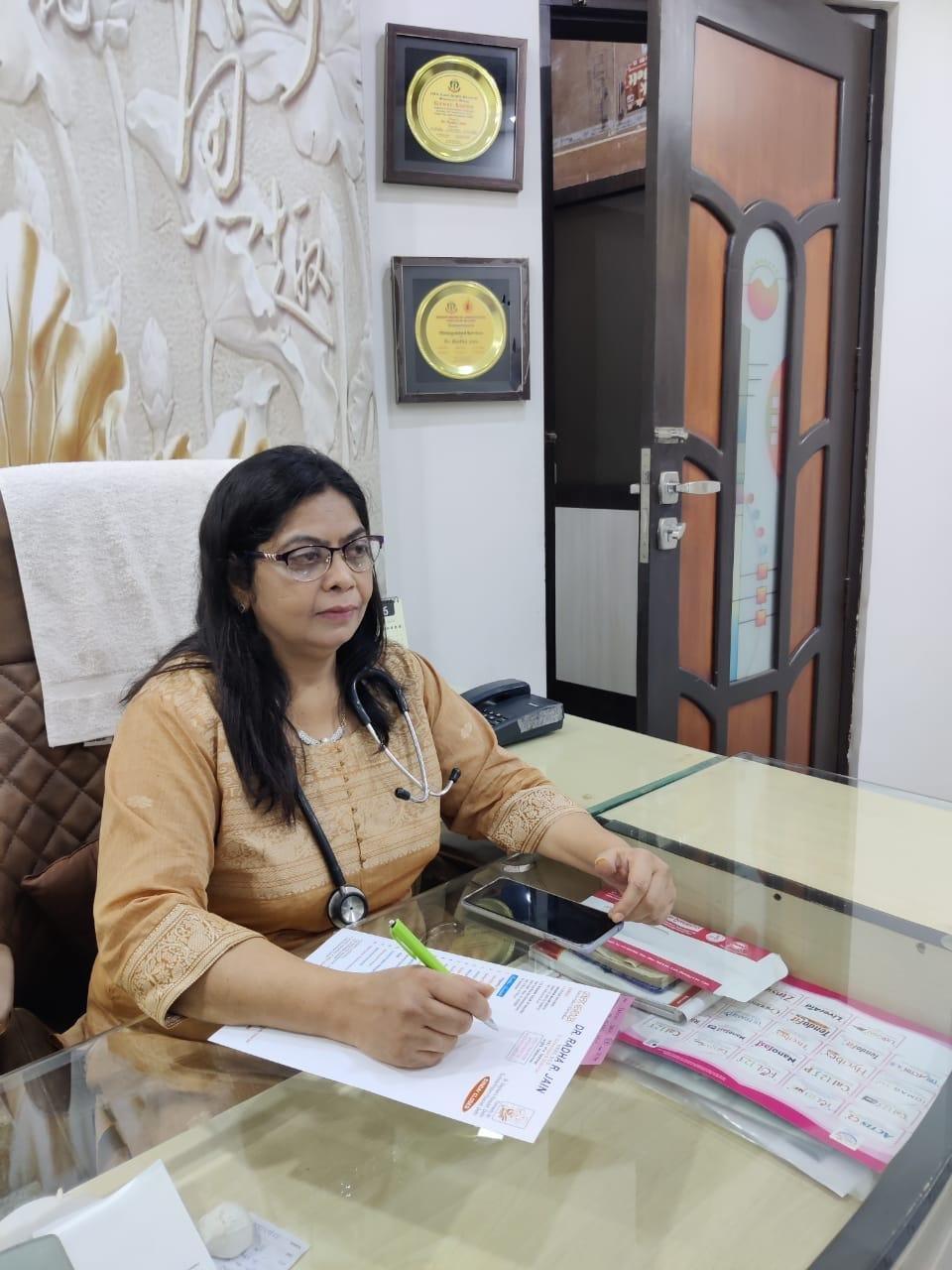
Dr. Radha Jain is the Senior Consultant Gynecologist & Obstetrician within the wider Genesis Neurogen clinical practice. Her women’s-health services are detailed on the main Genesis Neurogen Delhi website.
Use the map below to open the supplied location in Google Maps and get directions.