

Dr. Piyush Jain
Dr. Piyush Jain provides pediatric clinical guidance for developmental and neurodevelopmental concerns where appropriate.
Short answer: Occasional tantrums are typical at four, but tantrums that are getting more frequent, more intense, or lasting longer as a child gets older, rather than settling down, are worth having assessed rather than waiting them out. This doesn't necessarily mean something is seriously wrong. It often means the current approach at home isn't matching what this particular child needs, and a structured look at the pattern can help identify what will actually work. You expected tantrums at two. You expected them to fade by three. But your four-year-old is still melting down over things that seem small, the wrong colour cup, being told to put on shoes, being asked to stop watching a video, and if anything, the tantrums feel bigger and last longer than they did a year ago. You're not imagining it, and you're not necessarily doing something wrong either.
Share a few details and the Genesis Neurogen team will contact you to confirm availability.
Tantrums usually improve as children develop more language and self-control, but that doesn't happen at the same pace for every child. Sometimes tantrums worsen because responses at home have been inconsistent, so the child keeps testing what will actually work. Sometimes there's an unmet need behind the behaviour, difficulty expressing frustration in words, tiredness, hunger, or a big change at home like a new sibling or a house move. In a smaller number of children, ongoing, escalating tantrums are one part of a broader pattern that also includes difficulty with attention, transitions, or following instructions, which is worth having properly assessed rather than assumed.
A calm, consistent response usually helps more than a different response every time. Naming the feeling out loud, "you're upset because you wanted the blue cup," can help a child feel understood even while a limit still stands. Predictable routines around meals, sleep and transitions reduce the number of flashpoints in a day. During a tantrum itself, staying calm and not negotiating tends to work better than giving in, since giving in, even occasionally, can teach a child that a big enough reaction eventually gets a different answer. None of this means ignoring the child; it means being warm and firm at the same time, consistently, over weeks rather than days.
If tantrums are still increasing after several weeks of a genuinely consistent approach at home, if they happen many times a day, if they involve hitting, biting or other aggression toward people, or if they're affecting how your child manages at preschool or with other children, it's worth having a professional look at the full picture. Child behavioural counselling at Genesis Neurogen, with the Genesis Neurogen rehabilitation team, Clinical Psychologist (Reg. No. 12066051), starts with understanding the pattern in detail, at home, with you, with other caregivers, before working out a plan that actually fits your child.
Book a consultation with the Genesis Neurogen rehabilitation team for child behavioural counselling. Call 7481909090 or message us on WhatsApp.
Tantrums often start reducing by four as language improves, though every child's timeline is a little different. A pattern that keeps worsening rather than easing is the part worth attention.
Sometimes frequent, hard-to-manage tantrums are linked to attention or impulsivity difficulties, though most are not. Our ADHD or normal energy post looks at how to tell the difference, and a proper assessment gives a clearer answer than guessing.
This varies by child, and our team avoids promising a fixed timeline. Many children show improvement with consistent effort at home alongside regular sessions, reviewed and adjusted along the way.
That's a useful and common detail, not something to feel guilty about. It often points to a specific dynamic worth exploring in a session rather than a sign that something is fundamentally wrong.
Useful context about the Genesis Neurogen doctors, so you can understand the wider clinical practice while reading this article.
Dr. Piyush Jain provides pediatric clinical guidance for developmental and neurodevelopmental concerns where appropriate.
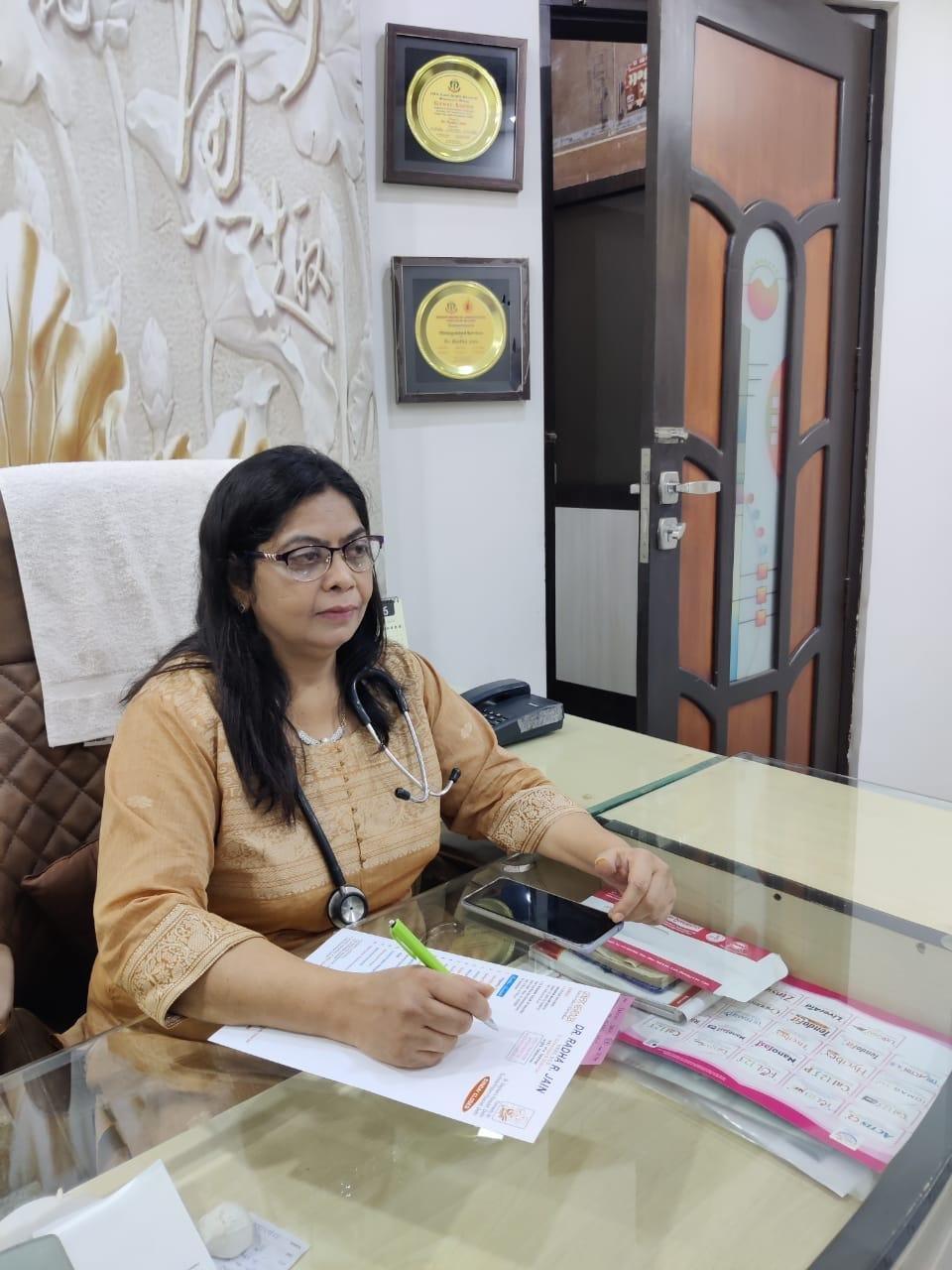
Dr. Radha Jain is the Senior Consultant Gynecologist & Obstetrician within the wider Genesis Neurogen clinical practice. Her women’s-health services are detailed on the main Genesis Neurogen Delhi website.
Use the map below to open the supplied location in Google Maps and get directions.